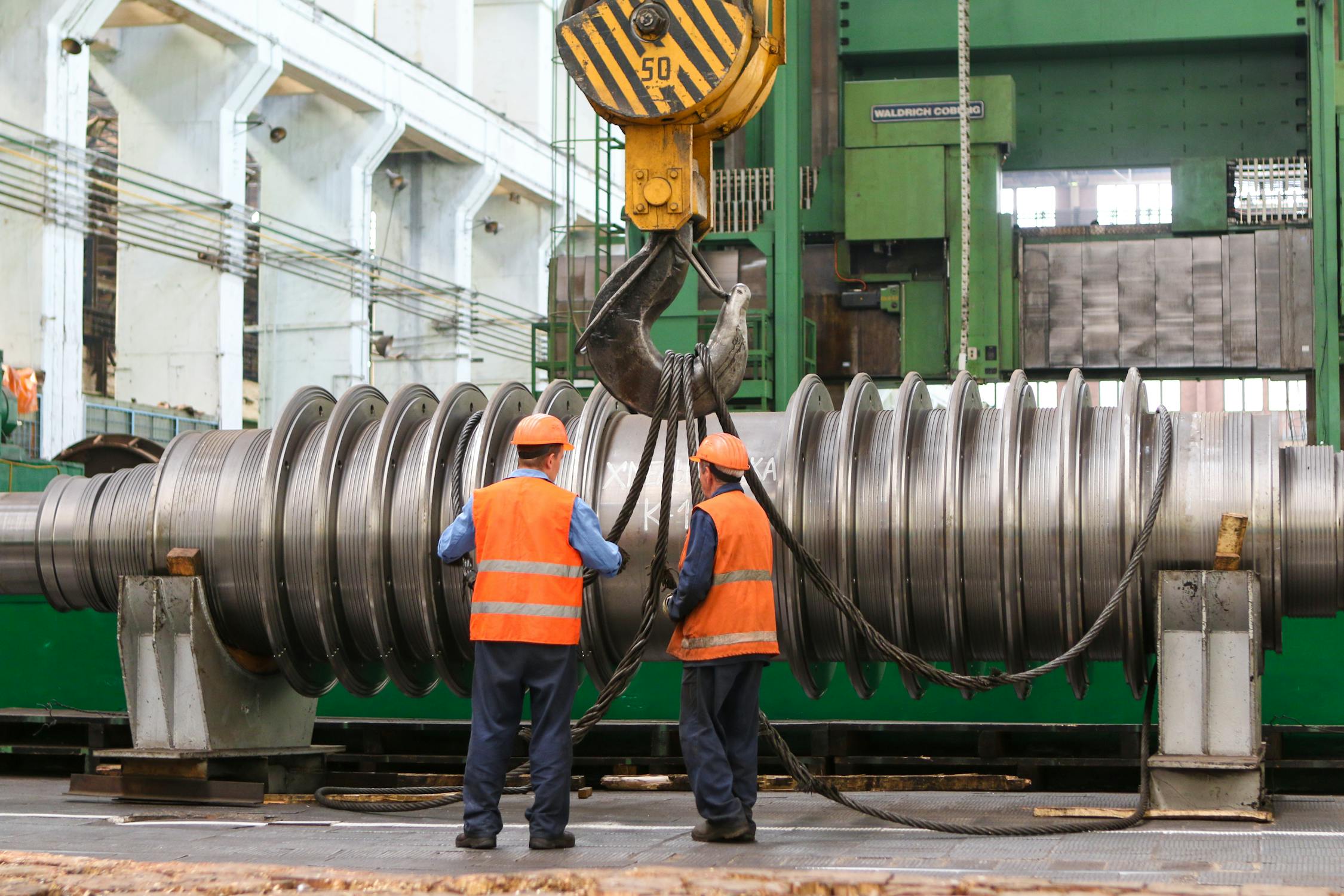
The key to having long-lasting industrial water-lubricated bearings is proper maintenance. Bearings are crucial mechanical components that help to maintain the liner and rotational movements of a machine. That’s why it is important that it be maintained properly to ensure that it operates effectively and for a very long time.
In this article, we make it easier for you by giving you some of the measures you can take to ensure that you maintain your bearing properly. So, without wasting more time, let’s delve into them.
1. Know why bearings fail
A crucial part of understanding how to prevent problems with the bearing is knowing what problems to look for. Bearings can generally fail for quite a number of reasons. These reasons include:
An improper installation – this can be brought about by improper seating of the bearing. It could also be because of not following guidelines.
- Damaged seals
- Misalignment of the shaft or bearing-this can cause damaging friction
- Dirty or insufficient lubricants
- Stray electric currents running through the bearing
Once you have understood some of these problems and what causes them, it will be easier to prevent them from occurring.
2. Handle it with care and store it well
First things first, if you want your bearing to serve you longer, you must start by handling it with a lot of care. If you want to prevent contaminants, such as dirt or dust from entering the bearing, you should handle and store it correctly. Bearings should be stored horizontally in their original package at a dry, clean, and room temperature.
If you mishandle your bearings- for instance, if you remove their wrappings permanently, this can expose the bearings to corrosion or contaminants. Never hammer or pound them or apply a direct force on its outer ring. This can cause damage to the rolling elements, leading to misalignment. Bearings are generally very delicate, which is why you need to handle them with care.
3. Use specialized tools when handling the bearings
In addition to that, you need to use appropriate tools when handling industrial water-lubricated bearings. Tools that are not ideal for use during mounting and dismounting of the bearing can significantly cause unnecessary damage, wear, denting, etc.
4. Check the bearing shaft and housing
Inspect the condition of the shaft or housing before you mount the bearing. It is advisable to use a soft cloth to wipe the surfaces clean, before figuring out the appropriate mounting method.
5. Mount correctly
It is crucial to use the correct method when it comes to mounting your bearings. However, the method of mounting you choose varies depending on the type of bearing and the type of fit. For instance, radial ball bearing rings can be mounted with various fits from tight press fits to sliding fits depending on the type of load, vibration levels, and speed.
Remember that if you apply pressure to the wrong ring while fitting, it can cause damage to the rolling elements. Consequently, it is advisable to avoid a poor finishing on the bearing seats, excessively loose fits or tight fits, or out of round housings.
6. Proper lubrication
It is no secret that one of the leading causes of industrial water-lubricated bearing failure is due to lubrication failure. This involves using the wrong lubricant, using too much lubricant, or using too little. When it comes to choosing the right lubricant, you need to consider factors, such as environmental conditions, speed, temperature, and load.
A bearing expert can advise you on the correct lubrication you should use as well as the correct amount. This way, you will be sure that your lubrication won’t cause any problem in the long run.
7. Prevent corrosion
Corrosion can significantly damage the bearings. Over time, if the bearings are exposed to too much moisture, it leads to corrosion. This can result in rust finding its way in the raceway, and, ultimately, cause equipment failure and premature lifespan.
Whenever you are handling bearings, you need to wear gloves. This ensures that no perspiration or other liquid enters the bearing. Thankfully, there are bearings that have been specially designed for corrosive environments. So if you live in a moist area, you need to choose this kind of bearing if you don’t want corrosion to affect the performance and lifespan of the bearings much quickly.
8. Avoid preheating and overheating
Generally, the higher amount of heating allowed on the bearings depends on the heat treatment of the material. So if they get heated beyond the allowed limit, they can soften or permanently deform the bearing steel, reducing load carrying capacity and leading to a failure. It is recommended to heat the bearings using induction heaters, and not with an open flame.
9. Choose your replacement carefully
You should be very careful when choosing replacements bearings. When replacing your bearing, you need to look for one that is identical to the one you currently have or one that is superior in quality. A low-quality alternative is more likely to fail or even lead to a more expensive equipment failure in the long run.
10. Check for any warning signs
It is very unusual for a bearing to fail without any warning signs. Some of the telltale signs you should look out for include an increase in vibration, excessive noise, an increase in temperature, or misalignment problems. These could be an indication of problems with the bearing. Identifying all these problems earlier can allow you to fix them earlier when they are still cheap to fix.
11. Call in a professional
Finally, you can seek the help of a bearing specialist if in doubt. The expert will be able to advise you on the best maintenance practices that suit your specific bearing as well as how to diagnose any problem with the bearing. Besides, the bearing specialist can thoroughly inspect and relubricate your bearings if necessary. You can never go wrong with contacting a bearing specialist to check your bearings.